
Flip a coin. Actually, cheat a little in your favor. That is roughly the statistical probability (about 43%) that a random website you visit is powered by WordPress.
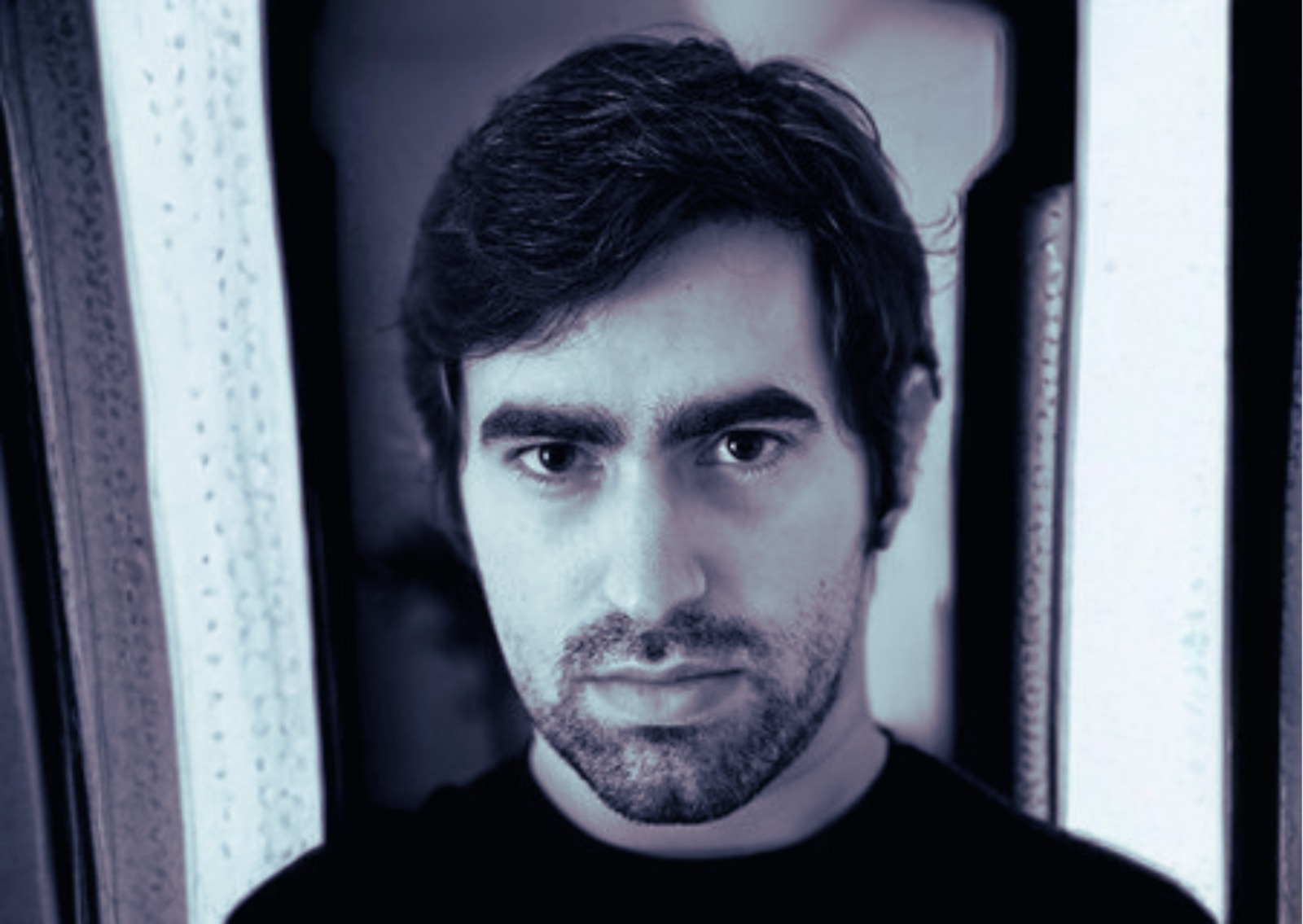
Today, WordPress powers everything from tiny personal blogs to high-profile sites like whitehouse.gov (yes, you heard that right). But back in 2001, long before block editors and plugin ecosystems, there was Michel Valdrighi in France, quietly running his own blog on a little PHP and MySQL engine he’d written called b2/cafelog.
Even the name was a vibe. It was not called something like contentManager_v1. It was called b2/cafelog.
“Cafelog” didn’t sound like enterprise software; it sounded like a digital notebook kept by someone in a café, sipping espresso and sending thoughts into the ether. It was not built for dashboards, pipelines, or approval workflows. It was built for expression. For publishing. For having a place where your words could live. For a slice of the early web, it felt small, elegant, and cool, and it quietly became the blogging tool of choice for many early adopters.
But then Michel did the thing every developer sometimes has to do, and every user quietly worries about: he stepped away.
Around 2002, the updates slowed and then stopped. Emails piled up. Life moved on, and the creator went quiet for a while. In a world of closed, proprietary software, that is often where the story ends. If the people with access to the source code leave, the product freezes in time and eventually fades away.
But… Michel had done something subtle and powerful, arguably as important as the code itself: he released b2/cafelog under the GPL (General Public License). That meant the code was free for others to study, modify, and share. He had essentially said, “This is mine, but it is also truly yours.” So, even when Michel went offline, his work did not. It stayed available, waiting for anyone who cared enough to pick it up and carry it forward.
When Michel logged off, the session didn’t expire. The code was still there, sitting on a server, open to anyone curious enough to look.
Because b2/cafelog was released under the GPL, two members of its community, Matt Mullenweg and Mike Little, did not see a dead end; they saw a foundation. (For the full story on that pivot, read: It Was Just a Blog Fix… Until It Was WordPress).
In 2003, looking at that dormant but promising codebase, they decided to fork b2. “Forking” is the technical term, but what they really did was pick up the torch.
They did not erase what came before; they honoured it by building on top of it. In a very real sense, b2/cafelog was the precursor to WordPress. From there, WordPress grew into the open-source powerhouse we know today, powering a huge share of the web and supporting countless creators, businesses and developers around the world.
One of the quiet foundations of that transition from Michel’s original vision to today’s global ecosystem was his decision to release b2/cafelog under the GPL, keeping it truly open for others to carry forward and reimagine.
Which brings us to the big question: What did Michel Valdrighi actually spark?
Was it the start of blogging? Technically, no. People were hand-coding HTML diaries to the soundtrack of dial-up long before 2001. But Valdrighi did something quietly important: he helped democratise it for anyone with a cheap shared host and a bit of curiosity. With b2/cafelog, you did not need to wrestle with raw HTML every time you wanted to post. You logged in, wrote, clicked publish.
Was it the start of “posting”? In a small way, yes. Before infinite scroll and algorithmic feeds, there was the simple, chronological rhythm of the cafelog. It was one of the early ancestors of the modern “feed”, but with fewer distractions and a lot more intention.
But the real spark was something bigger. Michel Valdrighi did not just create a way to write; he helped show how powerful open code can be in the real world.
By choosing the GPL license, he showed that code does not have to be guarded to matter. Shared code can travel farther and live longer.
If b2/cafelog had been closed source, it is hard to imagine the story continuing in the same way after 2002. Instead, that decision to release it under the GPL became one of the quiet stepping stones that shaped what open-source publishing on the web could become.
The Architect’s Legacy
Valdrighi teaches us the quiet power of the Architect. He drafted the blueprints, poured the foundation, and then trusted the world to build the skyscraper.
So, the next time you hit “Publish,” take a second to appreciate the lineage.
You aren’t just posting content. You are participating in a chain of open expression that started in a cafelog, sparked by a coder in Corsica who proved a timeless digital truth:
If you build something true, and you let it be free, the signal never really fades. The code keeps running.


Leave a Reply to adamfox9655Cancel reply